
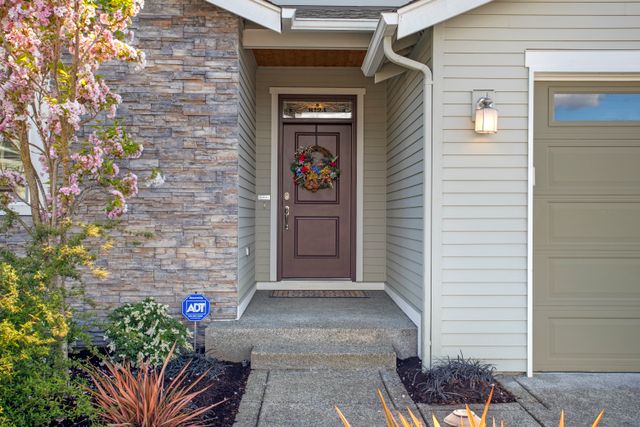
A home inspection is a lot more than walking from room to room with a flashlight and a clipboard. Experienced inspectors often start forming an impression of a property almost immediately. Before the detailed inspection even gets underway, there are several things that can catch the eye.
That first impression does not determine the outcome of the inspection, but it can point the inspector toward areas that deserve a closer look.
The Exterior Sets the Stage
One of the first things an inspector notices is the overall condition of the exterior. Are the roof lines straight? Does the siding, brick, or stucco appear to be in reasonable condition? Are there visible cracks, damaged trim, or areas where water may be getting into the structure?
Drainage is another early clue. Soil that slopes toward the house, standing water, or downspouts dumping water next to the foundation can immediately raise questions about moisture management.
In a hot, humid climate, exterior wear and moisture-related concerns can be especially important. Even small signs may warrant a closer examination.
The Entryway Can Reveal Quite a Bit
Once inside, the inspector is usually looking beyond how clean or attractive the home appears. The operation of the front door, floors, walls, ceilings, and nearby windows can provide useful information.
A door that sticks, for example, may be nothing more than seasonal movement. But if several doors and windows are difficult to operate, the inspector may take a closer look for signs of movement, moisture damage, or other underlying issues.
Stains on ceilings or walls also tend to get attention quickly. A stain does not automatically mean there is an active leak, but it does create a question that needs an answer.
The Big Three: Roof, Structure, and Water
Within the first few minutes, an inspector is often mentally tracking three major concerns: water, structure, and safety.
Water is particularly revealing. Musty odors, bubbling paint, swollen trim, discoloration, or damp areas can suggest past or present moisture problems.
Structural clues may include unusual floor slopes, cracks around doors or windows, or noticeable gaps and separations. Again, these observations are not automatically evidence of a serious structural defect. They are signals that deserve further investigation.
Safety concerns can be much simpler: missing handrails, exposed wiring, blocked electrical panels, missing safety features, or other obvious hazards tend to stand out immediately.
Small Details Often Lead to Bigger Questions
The first few minutes are really about building a roadmap for the inspection.
An experienced home inspector is not trying to diagnose the entire property at a glance. Instead, those early observations help determine where to spend more time, what systems to test carefully, and whether seemingly minor details connect to a larger pattern.
That is why a good inspection involves much more than simply noticing what looks wrong. It is about asking the right questions, following the clues, and checking the home systematically.
The most important things an inspector notices early are often not the dramatic defects. They are the little clues that say, “Take a closer look here.”