
A fresh coat of paint, a little caulk, and a few weekend repairs can make a home look move-in ready. But when it comes to a professional home inspection, some improvements can have the opposite effect. Instead of reassuring an inspector, certain fixes may raise questions about what was repaired, why it was necessary, and whether the underlying problem was actually resolved.
Here are five common fixes that can make a home inspector more suspicious, not less.
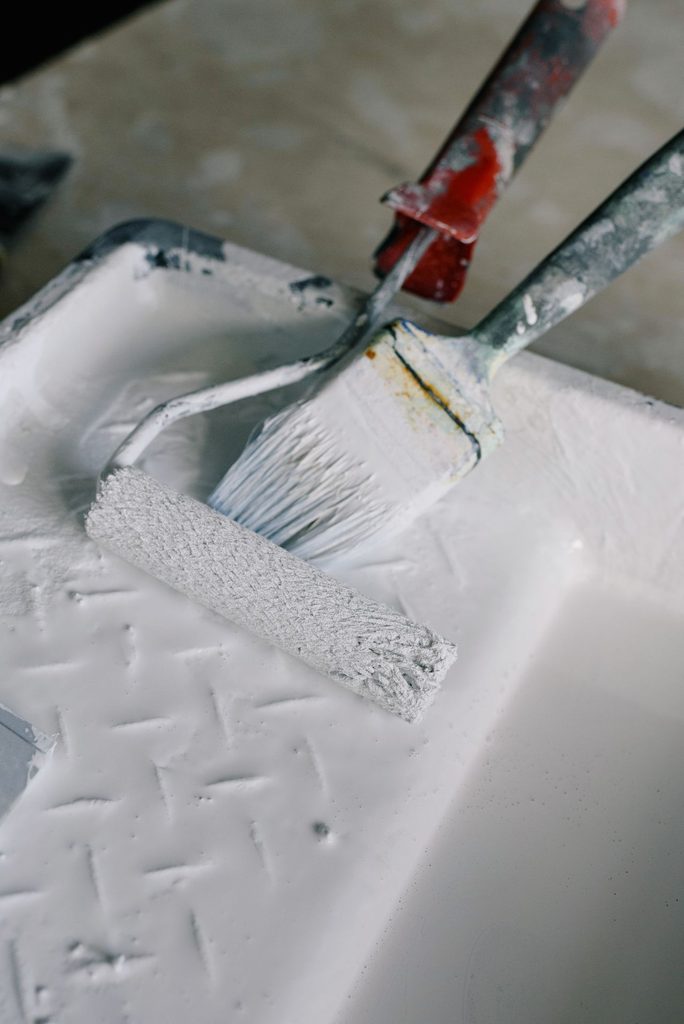
1. Fresh Paint Over Problem Areas
Fresh paint is great for improving appearances, but strategically painted patches on ceilings, walls, or around windows can attract attention. Water stains, discoloration, and previous repairs may have a story worth investigating. If moisture caused the original damage, painting over it doesn’t eliminate the source.
The better approach: Address the moisture problem first and keep documentation of the repair.
2. Excessive Caulk Around Windows and Doors
Caulk is an important part of maintaining a home’s exterior, but excessive or uneven applications can look like an attempt to conceal gaps, water intrusion, or deteriorating materials. In Katy’s hot, humid climate, proper sealing and drainage are especially important.
The better approach: Replace deteriorated sealant with the appropriate material and correct any underlying installation or drainage issues.
3. New Flooring in Just One Small Area
A single section of noticeably newer flooring can make an inspector wonder what happened to the original material. Was there a plumbing leak? Previous flooding? Moisture damage? While replacing damaged flooring is perfectly reasonable, the surrounding areas deserve attention too.
The better approach: Resolve the cause of the damage and retain receipts or repair records.
4. Fresh Mulch or Soil Against the Foundation
Landscaping can dramatically improve curb appeal, but adding soil or mulch against the home’s exterior can conceal foundation edges, siding clearances, or signs of drainage problems. It may also contribute to moisture-related concerns and wood-destroying insect activity.
The better approach: Maintain appropriate clearances and ensure the ground slopes away from the foundation.
5. New Fixtures Without Addressing the Original Problem
Replacing a faucet, electrical outlet, light fixture, or plumbing component may look like a straightforward upgrade. However, if the replacement is covering a leak, improper wiring, or another underlying defect, the new appearance doesn’t guarantee a safe or functional repair.
The better approach: Correct the actual defect, verify proper operation, and use qualified professionals when necessary.
The Bottom Line: Fix the Problem, Not Just the Appearance
A home inspection isn’t a beauty contest. Inspectors look beyond fresh paint and shiny finishes to evaluate visible conditions, safety concerns, and signs of potential defects.
The smartest pre-listing improvements aren’t necessarily the ones that make a house look newer. They’re the ones that demonstrate responsible maintenance, sound repairs, and attention to detail.
When a repair tells the whole story, it builds confidence. When it only hides part of it, it invites more questions.