
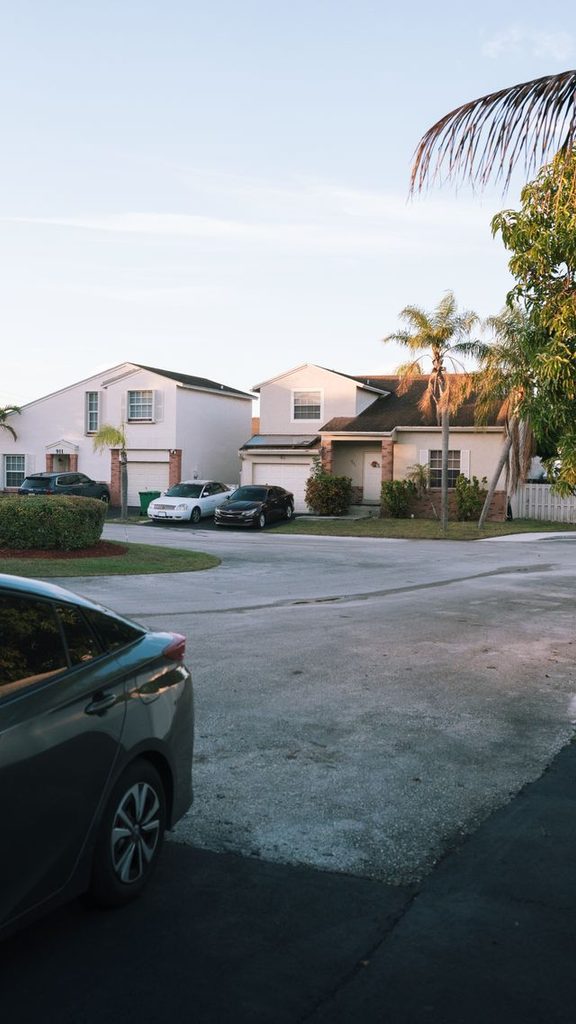
Homes across the West Houston area come in a wide range of styles, from established ranch houses to large two-story properties in newer subdivisions. While each home has its own history, certain construction features and local environmental conditions tend to create recurring inspection concerns.
Hot summers, heavy rainfall, expansive clay soils, and powerful storms can all take their toll. Knowing what to look for can help homeowners recognize potential problems before a minor issue turns into an expensive repair.
Brick Homes: Durable, But Not Problem-Free
Brick is one of the most recognizable exterior finishes in the area. It is durable and relatively low-maintenance, but that does not make it immune to trouble.
Cracked or deteriorating mortar, damaged bricks, gaps around windows, and signs of water intrusion are worth investigating. Brick veneer also depends on properly installed flashing and drainage details to keep moisture from getting behind the wall system.
Foundation movement may sometimes appear as cracking around brick openings. However, a crack by itself does not tell the whole story. Its location, direction, size, and surrounding conditions all matter.
Ranch-Style Homes and Established Neighborhoods
Older one-story homes can offer practical layouts, mature landscaping, and plenty of character. They can also contain components that have simply reached an age where maintenance or replacement becomes necessary.
Electrical systems, plumbing, roofing, insulation, windows, and heating and cooling equipment deserve particular attention in an older property. Previous repairs should also be considered. A house that has been consistently maintained may perform very differently from one that has experienced years of deferred maintenance.
Two-Story Suburban Homes
Two-story houses are common throughout the area’s newer and established communities. More exterior walls, windows, roof intersections, and elevated living areas can mean more opportunities for water to find its way inside.
Pay close attention to roof-to-wall transitions, upper-level windows, balconies, exterior trim, attic ventilation, and areas where different building materials meet.
The HVAC system is another important aspect to consider. Long, hot summers place considerable demand on air-conditioning equipment. Differences in temperature between floors may sometimes be related to ductwork, insulation, airflow, equipment capacity, or other factors.
New Construction Isn’t Automatically Perfect
A newer home may look pristine, but a fresh coat of paint and modern finishes don’t guarantee that everything was installed correctly.
New construction inspections can uncover concerns involving grading, drainage, roofing, flashing, insulation, plumbing, electrical components, and finish work. Catching these items early can make them considerably easier to correct.
The Local Climate Matters
Texas weather can be hard on a house. Intense heat can accelerate the aging of roofing and exterior materials, while heavy rainfall puts drainage systems, gutters, grading, and foundations to the test.
Expansive clay soils deserve attention as well. Changes in soil moisture can contribute to movement around a structure. Cracks, sticking doors, sloping floors, or unusual gaps should not automatically be labeled a foundation problem, but they shouldn’t necessarily be ignored either.
Maintenance Makes a Difference
No particular home style is immune to problems. What matters is how the home was built, how it has been maintained, and how it has responded to the local environment over time.
Keeping water moving away from the structure, maintaining the roof and exterior, servicing HVAC equipment, and addressing small defects before they grow can go a long way toward protecting a home.
A good inspection is not about making a house sound perfect—or making every imperfection sound serious. It is about understanding what is there, recognizing what deserves attention, and helping homeowners make informed decisions about the property.