
A practical guide to building a reliable toolkit for everyday home maintenance and repairs
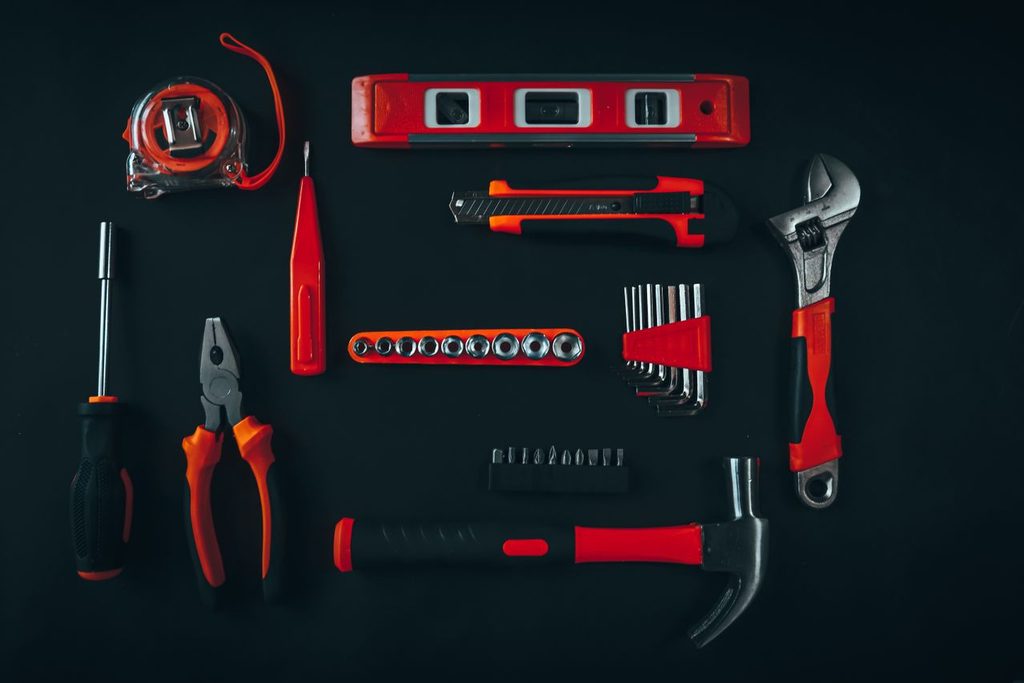
A well-maintained home starts with the right tools. From tightening a loose cabinet handle to replacing a doorstop or checking for minor maintenance issues, having a dependable DIY toolkit can make everyday projects easier, safer, and more efficient. The key is not owning every tool available, but knowing which tools are worth having and when to use them.
1. Measuring and Marking Tools
Essential tools: Tape measure, spirit level, pencil, and carpenter’s square.
Accurate measurements are the foundation of a successful project. A tape measure helps determine dimensions before cutting or installing materials, while a spirit level checks whether shelves, pictures, and fixtures are straight. A carpenter’s square helps verify right angles, and a pencil provides clear marking points.
Why does this matter? Small measurement errors can lead to uneven installations, wasted materials, and unnecessary repairs. Taking a few extra moments to measure correctly can save considerable time later.
2. Screwdrivers and a Quality Drill
Essential tools: Phillips and flathead screwdrivers, a cordless drill, and a selection of drill and driver bits.
Loose hinges, cabinet handles, and electrical faceplates are common household maintenance items. A screwdriver set handles many small jobs, while a cordless drill makes assembling furniture and fastening compatible materials much easier.
Choose the correct bit for the screw and the appropriate drill bit for the material. Using the wrong size or type can damage screw heads, split wood, or create an improperly secured connection. Always check for concealed wiring and plumbing before drilling into walls.
3. Hammers and Pliers
Essential tools: Claw hammer, adjustable wrench, combination pliers, and needle-nose pliers.
A claw hammer is useful for driving nails and removing them when necessary. Combination pliers provide a firm grip for general tasks, while needle-nose pliers reach into tighter spaces. An adjustable wrench helps tighten or loosen compatible nuts and bolts.
The right tool provides better control and reduces the likelihood of damaging fasteners or surrounding surfaces. Avoid using pliers as a substitute for a properly sized wrench when a secure fit is needed.
4. Cutting and Finishing Tools
Essential tools: Utility knife, hand saw, putty knife, and a selection of sandpaper.
These tools help with trimming materials, opening packaging, preparing surfaces, and completing small woodworking or patching projects. A putty knife is particularly useful for applying patching compound to minor wall imperfections.
Keep blades sharp and replace damaged ones safely. A dull blade often requires more force, increasing the risk of slipping and injury.
5. Safety and Basic Inspection Supplies
Essential items: Safety glasses, work gloves appropriate to the task, flashlight, and a non-contact voltage tester.
Safety equipment deserves a permanent place in every toolkit. Good lighting helps reveal leaks, damaged materials, and hard-to-see areas. A voltage tester can help identify the presence of electrical voltage, but it must be used according to its instructions and should never replace proper electrical safety procedures.
For routine home checks, a flashlight and moisture meter can also help identify potential concerns. Readings from a moisture meter require interpretation; they do not, by themselves, confirm a leak or establish the extent of water damage.
Why the Right Tool Matters
Using the correct tool is about more than convenience. It helps improve accuracy, protect building materials, reduce avoidable injuries, and prevent small repairs from becoming larger problems.
However, not every job belongs in a DIY toolkit. Electrical panel work, gas-line repairs, structural alterations, and other specialized tasks may require a licensed professional. In Texas, applicable licensing requirements and local codes should be considered before undertaking regulated work.
Build Your Toolkit One Project at a Time
Start with versatile essentials, store them in a dry and organized location, and inspect them regularly for damage. Add specialized tools as genuine needs arise rather than buying equipment that may rarely be used.
The bottom line: A good home DIY toolkit is not measured by its size. It is measured by how well it prepares you to handle appropriate repairs safely, accurately, and confidently. Choosing the right tool for the job is one of the simplest ways to protect your time, your materials, and your home.