
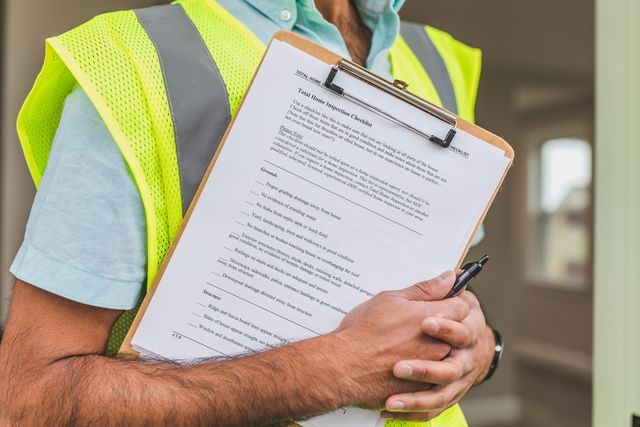
Buying, selling, or simply maintaining a home comes with one important question: Is everything working the way it should? A professional home inspection helps answer that question by evaluating the home’s visible and accessible systems, identifying safety concerns, maintenance needs, and potential defects before they become costly surprises.
Whether a property is brand new or decades old, regular inspections are one of the smartest investments a homeowner can make.
What Is Typically Inspected?
A general home inspection focuses on the home’s major components rather than cosmetic details. The goal is to provide a clear snapshot of the property’s overall condition.
Exterior
The inspection usually begins outside, where the home faces its toughest challenges from sun, wind, rain, and seasonal storms.
Common items include:
- Roof coverings, flashing, and visible drainage issues
- Gutters and downspouts
- Siding, brick, or exterior finishes
- Windows and exterior doors
- Driveways, walkways, and grading around the foundation
Proper drainage is especially important because standing water can contribute to foundation movement over time.
Structural Components
The home’s structure is carefully evaluated for visible signs of movement or deterioration, including:
- Foundation
- Walls and ceilings
- Floors
- Attic structure
- Crawl spaces, when accessible
Small cracks are not always a major concern, but patterns of movement can indicate issues worth monitoring.
Interior Systems
Inside the home, inspectors examine the systems people rely on every day.
Electrical: Panels, breakers, visible wiring, outlets, and safety devices.
Plumbing: Fixtures, drains, water heater, visible supply lines, and signs of leaks.
HVAC: Heating and cooling equipment, airflow, thermostat operation, and visible duct concerns.
These systems are checked for functionality and readily observable defects rather than future performance.
Why Routine Inspections Matter
Many homeowners think inspections are only for real estate transactions. In reality, scheduling a routine inspection every few years can help uncover minor issues before they become expensive repairs.
Benefits include:
- Catching roof wear before leaks develop
- Identifying plumbing leaks early
- Monitoring foundation and drainage changes
- Improving energy efficiency
- Planning maintenance with fewer unexpected expenses
Homes endure intense heat, humidity, and powerful storms throughout the year. Regular evaluations help ensure those conditions are not quietly taking a toll on the property.
A Home Inspection Is Preventive Care
Think of a home inspection like a wellness checkup for your house. It is not about finding perfection—it is about understanding condition, prioritizing repairs, and protecting one of your biggest investments.
A well-maintained home is typically safer, more efficient, and better prepared for whatever the next season brings. Staying proactive with routine inspections gives homeowners valuable peace of mind and a practical roadmap for long-term care.