
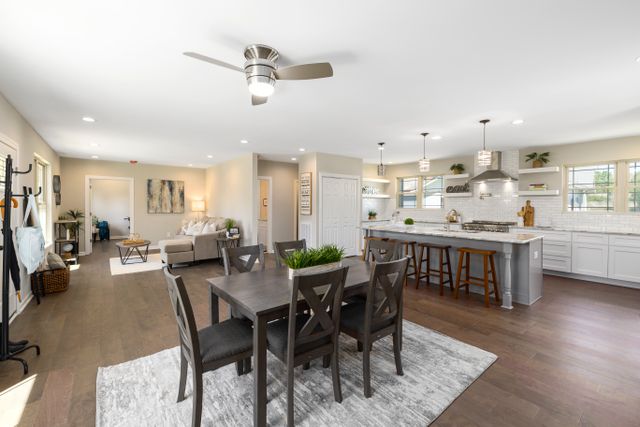
Open concept living spaces continue to be one of the most requested remodeling projects, and it’s easy to see why. Taking down walls can make a home feel brighter, larger, and more connected. However, creating a wide-open layout involves much more than simply swinging a sledgehammer. Proper planning is essential to avoid expensive surprises and long-term issues.
Not Every Wall Can Be Removed
One of the biggest misconceptions about open concept remodeling is that any wall can be taken down. Many interior walls help support the weight of the structure above. Removing a load-bearing wall without proper engineering and reinforcement can lead to sagging ceilings, cracked drywall, uneven floors, and serious structural concerns.
Before demolition begins, it is important to determine exactly what role each wall plays within the home’s structure.
Hidden Mechanical Systems
Walls often conceal critical components that homeowners rarely think about. Electrical wiring, plumbing lines, HVAC ductwork, gas pipes, and communication cables may all be hidden behind the surfaces slated for removal.
Relocating these systems can add significant costs and complexity to a project. In some homes, rerouting utilities may require opening additional walls, ceilings, or floors that were never part of the original renovation plan.
Flooring Challenges
Many homeowners envision a seamless floor stretching across the newly opened space. Unfortunately, removing walls frequently reveals flooring gaps where materials stop beneath the wall framing.
Matching older flooring can be difficult, especially if the original product has been discontinued or faded over time. Planning for flooring repairs or replacement ahead of time helps prevent unexpected disappointment.
Noise Travels Further
Open layouts encourage conversation and interaction, but they also allow sound to move freely throughout the home. Television noise, kitchen activity, appliances, and conversations can become more noticeable when physical barriers disappear.
Incorporating sound-absorbing materials, area rugs, soft furnishings, and strategic design elements can help maintain a comfortable acoustic environment.
Heating and Cooling Considerations
Walls naturally help divide and control airflow within a home. Once they are removed, the heating and cooling system may perform differently than it did before.
Large open spaces sometimes develop hot and cold spots, making certain areas less comfortable. Evaluating HVAC capacity and airflow during the planning stage can help avoid comfort issues after construction is complete.
Lighting Needs Often Change
A newly opened floor plan can dramatically alter how natural and artificial light moves through a home. Areas that were once separate rooms may require additional lighting to maintain balance and functionality.
Layering recessed lighting, pendants, task lighting, and accent fixtures can create a comfortable atmosphere while improving visibility.
The Value of Thorough Planning
Open concept remodeling can transform the way a home looks and functions, but successful projects depend on careful preparation. Structural considerations, utility relocations, flooring transitions, sound control, HVAC performance, and lighting design all deserve attention before demolition begins.
When these potential challenges are addressed early, the result is far more likely to be the bright, welcoming, and functional open living space homeowners envision from the start.