
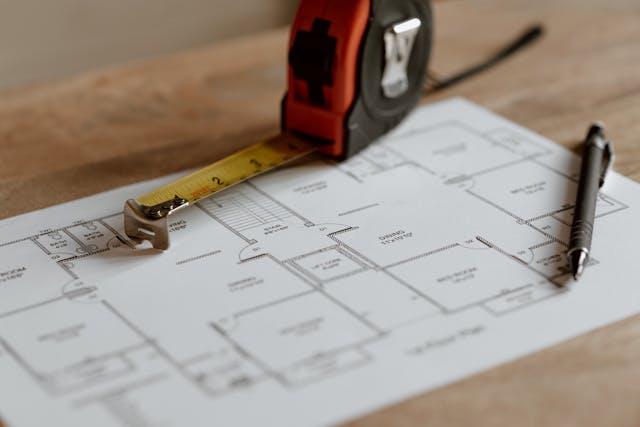
A home’s layout does more than guide foot traffic—it quietly dictates how air and light move through the structure. When rooms are boxed in without thoughtful transitions or when hallways cut off natural flow, the result is often stagnant air, uneven temperatures, and spaces that never quite feel comfortable. These design issues may seem minor at first glance, but over time they can influence both the livability and condition of the property.
Airflow: More Than Just Comfort
Proper airflow depends on balance—intake and movement. In homes where rooms are sealed off or where there are limited pathways for air circulation, HVAC systems must work harder to compensate. This can lead to inconsistent cooling or heating, especially in regions with high humidity and heat. Poor airflow also allows moisture to linger, particularly in corners and enclosed areas. Over time, this creates an environment where mold and mildew can develop, often unnoticed until damage becomes visible.
Strategically placed openings, such as doorways aligned across rooms or well-positioned vents, can significantly improve air movement. Without them, even a well-functioning system struggles to distribute air evenly.
Dark Corners and What They Conceal
Natural light plays a bigger role than aesthetics. Areas deprived of sunlight tend to retain moisture longer, especially in climates where humidity is already a concern. Dark corners—common in poorly planned layouts—become prime spots for dust buildup, pest activity, and hidden deterioration.
These spaces are often overlooked during routine cleaning and maintenance, allowing small issues to grow. Wood materials in these areas may begin to warp or decay, and insulation can become compromised without obvious warning signs. Over time, what starts as a simple design flaw can lead to costly repairs.
The Ripple Effect on Home Condition
When airflow is restricted and light is limited, the home’s systems and materials bear the burden. HVAC units cycle more frequently, increasing wear and reducing efficiency. Paint and finishes may degrade faster in damp conditions, and structural components can be affected by prolonged exposure to moisture.
Additionally, indoor air quality can decline. Stale air combined with trapped humidity creates an environment that feels heavy and may contribute to respiratory discomfort for occupants.
Designing for Function and Longevity
Good layout design prioritizes openness where it matters and ensures that each space connects logically to the next. Even in existing homes, improvements such as adding vents, adjusting door placements, or incorporating light-enhancing features can make a noticeable difference.
A well-balanced home doesn’t just look better—it performs better. Air moves freely, light reaches deeper into living spaces, and the structure itself remains in healthier condition over time. Thoughtful design is not just about appearance; it’s a long-term investment in how a home lives and lasts.