
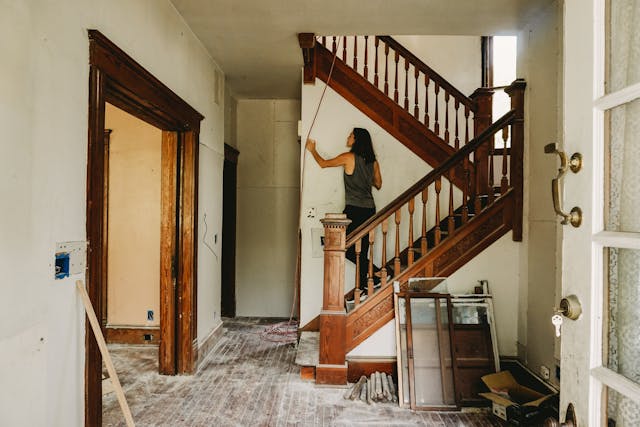
Walk into an older home and you might notice it right away—that faint, musty, slightly sweet smell that seems to cling to the air. Some people chalk it up to “character,” but there’s usually more going on behind the scenes. That familiar odor isn’t random; it’s a signal, and it’s worth understanding what’s causing it.
It Starts With Time and Materials
Homes built decades ago were constructed with materials that naturally break down over time. Wood, insulation, adhesives, and even old finishes release compounds as they age. These compounds, known as VOCs (volatile organic compounds), can create that signature “old” scent. It’s not necessarily dangerous in small amounts, but it does tell you the home is aging—and so are its components.
Moisture Is Often the Real Culprit
In many cases, that smell has less to do with age and more to do with moisture. Older homes tend to have less effective vapor barriers, outdated ventilation, or minor leaks that have gone unnoticed. Over time, even small amounts of trapped moisture can lead to mildew or mold growth behind walls, under flooring, or in crawl spaces.
That musty odor? It’s often microbial growth releasing gases into the air. Even if you can’t see visible mold, your nose may be picking up on it.
Poor Air Circulation Makes It Worse
Another factor is airflow—or lack of it. Older homes weren’t always designed with modern HVAC systems in mind. Without consistent air movement, odors settle and linger. Closed-up homes, especially those that have been vacant or rarely aired out, tend to develop stronger smells simply because the air isn’t being refreshed.
Opening windows helps temporarily, but it doesn’t solve the root issue if moisture or aging materials are involved.
Hidden Spaces Hold Hidden Odors
Crawl spaces, attics, and wall cavities are common places where smells originate. These areas are rarely inspected by homeowners but can harbor damp insulation, pest activity, or decaying materials. Once odors develop in these enclosed spaces, they can seep into the living areas through small gaps and air pathways.
It’s not unusual for a home to smell fine in one room and noticeably musty in another, depending on what’s behind the walls.
When It’s More Than Just a Smell
While some level of “old house smell” can be expected, a strong or persistent odor shouldn’t be ignored. It can point to issues like:
- Long-term moisture intrusion
- Hidden mold or mildew
- Poor ventilation
- Aging or deteriorating building materials
Addressing the source early can prevent more costly repairs down the line.
Clearing the Air the Right Way
Getting rid of the smell isn’t about masking it—it’s about solving the cause. That might involve improving ventilation, sealing moisture entry points, replacing compromised materials, or simply allowing the home to breathe again.
In many cases, once the underlying issue is corrected, the smell fades naturally. Fresh paint and air fresheners can help temporarily, but they won’t fix what’s happening behind the surfaces.
The Bottom Line
That “old house smell” isn’t just a quirk—it’s a clue. Whether it’s aging materials, trapped moisture, or lack of airflow, the scent is telling a story about the home’s condition. Paying attention to it can lead to smarter maintenance decisions and a healthier living environment overall.