
Are you planning to buy an older property or currently living in one that is over 40 years old? If so, you may have concerns about the presence of lead in the property. In this blog, we are going to look at a few areas where lead is commonly found in older homes.
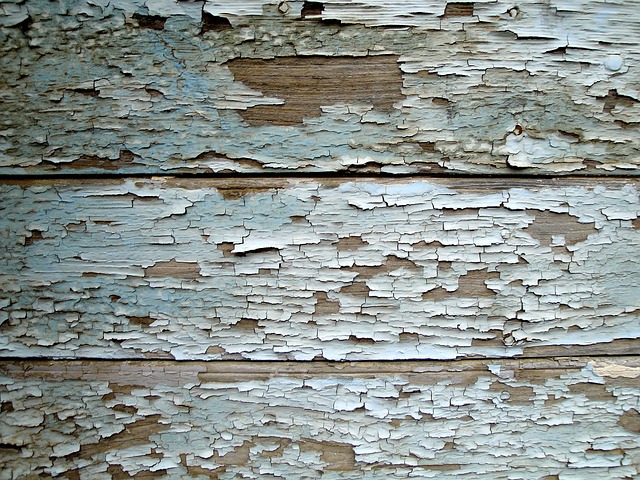
Lead-based paint is a significant source of lead exposure in older homes. If the paint is deteriorating, it can chip and turn to dust, which can settle on floors, furniture, and other surfaces in the home. Children who play in such environments are at higher risk of being exposed to lead, which can cause serious health problems, such as developmental delays, learning difficulties, and behavioral problems.
Older homes may also have lead pipes or plumbing fixtures, which can also contribute to lead exposure. The risk is especially high if the water has been sitting in the pipes for several hours or overnight. This is because lead can dissolve into the water, increasing the lead levels in the water.
Lead can also be present in the soil surrounding older homes that were painted with lead-based paint. As the paint chips and deteriorates, the lead can leach into the soil and contaminate it. This can be a problem, especially if the soil is used for gardening or if children play in it.
As we have briefly highlighted, lead exposure can cause a variety of health problems, particularly in small children and fetuses. If you are concerned that lead may be present in your home, the first step is to have it tested by a certified professional, who will then be able to give you advice on what to do next.