
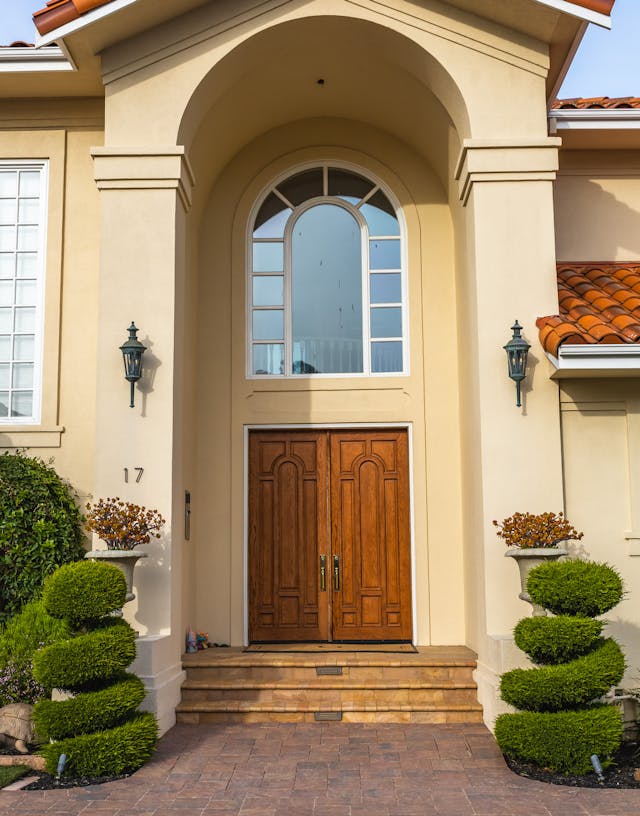
When evaluating a home, some of the most revealing details are also the most overlooked. Doors—both interior and exterior—can provide valuable insight into how a house was built, how it has aged, and how well it has been maintained. A careful look at doors often uncovers clues related to structure, moisture, workmanship, and everyday wear that go far beyond appearance.
How Doors Operate Tells a Story
One of the first things to observe is how a door opens and closes. A properly installed door should move smoothly, latch easily, and stay in position when opened. Doors that stick, rub, or swing open on their own may indicate movement in the home’s framing. This kind of movement can be associated with soil conditions, changes in moisture, or long-term structural shifting. Even minor resistance can be an early sign of a larger issue elsewhere in the house.
Gaps, Alignment, and What They Mean
Consistent gaps around a door are normal, but uneven spacing is not. When the gap at the top is tight and wider at the bottom—or vice versa—it may suggest that the frame is no longer square. Visible daylight around an exterior door can also point to energy loss, air leakage, or potential moisture intrusion. These conditions often reflect installation quality and ongoing maintenance rather than a single isolated problem.
Moisture Damage Often Shows Up First at Doors
Doors are frequently one of the first places moisture damage becomes visible. Swelling, soft wood, peeling paint, or bubbling finishes near the bottom of a door or frame are common warning signs. Exterior doors without adequate protection from rain or ground moisture are especially vulnerable. Over time, repeated exposure can lead to rot and create conditions favorable for wood-destroying organisms.
Interior Doors and Construction Quality
Interior doors may seem less important, but they also provide useful clues. Doors that are cracked, poorly finished, or consistently misaligned throughout the house can suggest lower-quality materials or rushed construction. Latch problems may indicate shifting walls or framing movement rather than simple hardware wear. When similar issues appear in multiple rooms, they often point to a broader pattern rather than isolated damage.
Exterior Doors Reflect Maintenance and Security
Exterior doors serve as both a security feature and a key part of the home’s protective envelope. Solid doors that fit well, seal tightly, and have secure hardware often reflect consistent upkeep. On the other hand, rusted hinges, loose strike plates, damaged thresholds, or deteriorated weatherstripping may indicate long-term exposure and deferred maintenance.
A Small Detail With Big Insight
In many homes, doors act like a snapshot of overall condition. They respond quickly to movement, moisture, and neglect, making them reliable early indicators of larger concerns. Paying attention to how doors look, feel, and function can offer meaningful insight into the health of the house—and help identify issues before they grow into more costly repairs.