Sustainable living has become more than a trend—it’s now a key consideration for many homeowners and buyers. As eco-friendly features show up more often in residential properties, inspectors are evaluating how these upgrades affect safety, functionality, and long-term performance. While green improvements can add value and efficiency, their impact during an inspection depends on how well they’ve been installed and maintained.
Energy-Efficient Windows and Insulation
High-performance windows, spray-foam insulation, and radiant barriers are popular upgrades in warm climates. When properly installed, they significantly improve indoor comfort and reduce energy loss. During an inspection, however, the focus is on the quality of the installation rather than the efficiency rating alone. Gaps around window frames, inadequate attic ventilation, or improperly applied insulation can create moisture problems—even in energy-efficient homes. A well-sealed home must still breathe, and ventilation remains a critical component inspectors look for.
Solar Panels and Renewable Systems
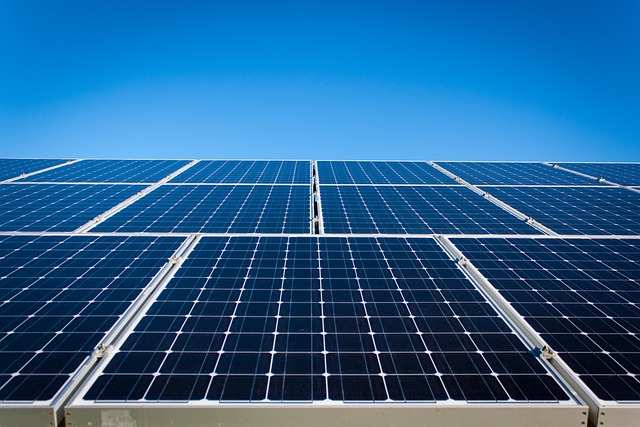
Solar installations are among the most visible green features. While the energy savings can be substantial, inspectors examine structural and electrical aspects that support the system. Roof condition, load capacity, flashing, wiring methods, and inverter placement all deserve close attention. Systems installed through third-party leases or power-purchase agreements also bring extra documentation requirements. A solar setup is only an asset when the roof beneath it is sound and the electrical work meets current safety standards.
High-Efficiency HVAC and Ventilation
Upgraded HVAC systems with variable-speed blowers or smart thermostats can greatly improve efficiency. However, the system’s ductwork, condensate drainage, and overall airflow still need to be evaluated. Efficiency doesn’t replace fundamentals. Restricted ducts or poor condensate management can lead to water damage or reduced performance, even with high-end equipment. Inspectors also look carefully at fresh-air intake strategies, especially in homes tightened through weatherization efforts.
Tankless Water Heaters and Low-Flow Fixtures
Tankless water heaters and low-flow fixtures help reduce water use, a priority in many parts of the country. Inspections focus on proper venting, gas line sizing, temperature settings, and evidence of mineral buildup. Tankless units are efficient, but they must be matched appropriately to household demand. A system that’s undersized may deliver inconsistent hot water, which typically shows up during an evaluation.
Smart Home and Energy-Monitoring Devices
Many homeowners install smart meters, energy monitors, or automated controls. These devices can enhance efficiency, but inspectors focus on the underlying systems they manage. While smart features don’t replace required safety components, they can make it easier for homeowners to track performance and catch issues early.
Final Thoughts
Eco-friendly upgrades can be excellent investments, but their real value becomes clear when they’re installed correctly and integrated with the home’s core systems. A thorough inspection helps ensure that green improvements operate safely and efficiently, offering long-term benefits rather than unexpected complications.