
Modern homes are more energy-efficient, stylish, and technologically advanced than ever before. While these improvements bring comfort and convenience, they can also introduce fire hazards that aren’t always obvious to homeowners. Understanding where these risks come from is an important step in keeping a house safe, functional, and resilient.
Increased Electrical Demand
One common concern in newer construction is electrical demand. Today’s households rely on far more devices than homes built even 20 years ago. Large HVAC systems, electric vehicle chargers, smart appliances, and home offices all place a heavy load on electrical systems. When wiring, breakers, or panels are undersized, improperly installed, or modified after construction, the risk of overheating and electrical fires increases. This is especially true when homeowners add high-draw equipment without upgrading the electrical infrastructure to support it.
Lightweight Building Materials
Another factor is the use of lightweight building materials. Engineered wood products, such as trusses and I-joists, are efficient and cost-effective, but they behave differently in a fire than traditional solid lumber. These materials can fail more quickly when exposed to high heat, which may reduce escape time and increase structural collapse risk. Proper fire blocking, drywall installation, and code-compliant construction are critical in offsetting these vulnerabilities.
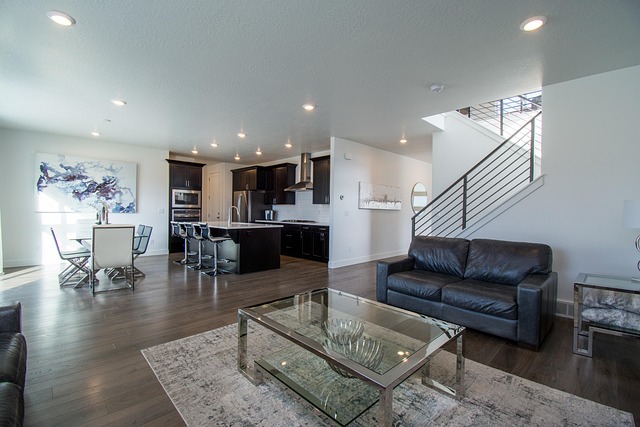
Open-Concept Floor Plans
Modern open-concept floor plans also play a role. While visually appealing, fewer walls and doors can allow fire and smoke to spread faster through a home. Kitchens often open directly into living areas, meaning a small cooking fire can escalate more rapidly than in older, compartmentalized layouts. Using range hoods, maintaining clear space around cooking appliances, and never leaving active burners unattended are simple but effective precautions.
Energy-Efficient Construction Concerns
Energy-efficient construction can introduce its own challenges. Tightly sealed homes with advanced insulation reduce air leakage, which is great for utility bills—but it can also allow heat to build up in enclosed spaces. Attics, wall cavities, and mechanical closets need proper ventilation, especially around recessed lighting, furnaces, and water heaters. Without it, heat accumulation can increase fire risk over time.
Attached Garages and Storage Risks
Garages deserve special attention as well. Many newer homes have attached garages that house not only vehicles, but also lithium-ion batteries, lawn equipment, and storage items. Fires often start here due to fuel sources, charging equipment, or chemical storage. Fire-rated walls and doors between the garage and living space are essential and should never be altered or propped open.
Staying Ahead of Fire Hazards
The good news is that awareness goes a long way. Routine inspections, attention to warning signs like warm outlets or flickering lights, and using qualified professionals for repairs and upgrades can greatly reduce fire hazards. Modern homes are built to high standards, but ongoing care and informed decisions are what keep them safe for the long term.